
Renting a self-storage unit can be a great solution for freeing up space, organizing your home, or storing items temporarily. However, many people make mistakes during the process that can lead to unnecessary stress, additional costs, or damage to their belongings. By understanding and avoiding these common pitfalls, you can maximize the benefits of your self-storage experience. In this post, we’ll highlight the top five mistakes people make when renting self-storage units and provide practical tips on how to avoid them.
1. Choosing the Wrong Unit Size
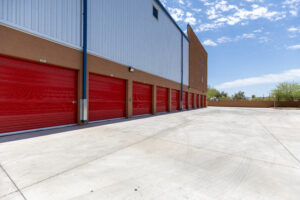
One of the most common mistakes people make is choosing a storage unit that is either too small or too large for their needs. When selecting a self-storage unit, it’s important to accurately assess the number and size of the items you’re storing. A unit that’s too small can result in cramped, poorly packed storage, which may lead to damage. On the other hand, a unit that’s too large may seem like a good idea, but you’ll end up paying for unused space.
How to Avoid It:
Before renting a unit, take inventory of your items and carefully measure larger pieces of furniture. Many self-storage facilities, such as StorAmerica, offer size guides and online tools to help you calculate the ideal space for your belongings. Also, talk to a storage expert who can recommend a unit based on your needs. If you’re uncertain, consider renting a slightly larger unit initially—most self-storage providers allow for easy upgrades or downsizing as needed.
2. Failing to Protect Sensitive Items
Another mistake people often make is failing to properly protect sensitive items like electronics, artwork, clothing, or antiques. Storing such items without adequate protection can lead to irreversible damage from dust, moisture, temperature fluctuations, or even pests. If you store your items improperly, you may end up with damaged belongings when it’s time to retrieve them.
How to Avoid It:
When storing sensitive items, always use protective packaging. For example, wrap delicate furniture in moving blankets, and place electronics in sturdy, padded boxes. Also, invest in climate-controlled units if you’re storing items that are sensitive to temperature or humidity, such as musical instruments, artwork, or family heirlooms. For fabrics like clothing or bedding, use plastic bins or vacuum-sealed bags to avoid mildew or dust buildup. Moreover, properly sealing boxes will keep pests away from your belongings, ensuring they remain safe.
3. Overpacking Boxes and Units

Overpacking can lead to a number of issues. When boxes are packed too tightly or a unit is crammed full, it can be difficult to access items, and it increases the risk of damage. For example, fragile items can be crushed under heavier boxes, and it can become nearly impossible to retrieve a specific item without disrupting everything else in the unit.
How to Avoid It:
Take the time to properly pack boxes and organize your storage unit for easy access. When packing boxes, avoid overloading them with heavy items and make sure they are sealed tightly. Use smaller boxes for heavier items and larger boxes for lighter ones. Also, leave some space between items in your storage unit to ensure airflow and prevent the stacking of heavy boxes on top of fragile ones. Moreover, consider using shelving to make the most of vertical space, so items are easier to access without disrupting the entire unit.
4. Not Labeling Boxes or Keeping an Inventory
When it comes to retrieving specific items from your storage unit, having a system for labeling and inventorying your belongings is crucial. Many people make the mistake of failing to label boxes or keep a record of what’s in their storage unit, which can lead to frustration when it’s time to locate something specific. It’s easy to forget what you’ve packed away, and searching through multiple boxes can take up valuable time.
How to Avoid It:
Label everything clearly! Write a brief description of the contents on each box, and use color-coded tape or labels to make it easy to differentiate between categories (e.g., winter clothes, kitchen items, holiday decorations). Additionally, consider keeping a written or digital inventory of what’s in your unit, so you don’t have to waste time searching for specific items. Many self-storage facilities also offer inventory tracking apps or systems that can help you stay organized.
5. Not Taking Advantage of Access Hours and Flexibility

A common mistake many people make when renting a self-storage unit is not fully understanding the access hours or flexibility offered by the facility. Some individuals assume they can access their unit whenever they want, only to find out there are limited hours or additional fees for after-hours access. This lack of awareness can create inconvenience, especially if you need to retrieve or add items to your unit during off-hours.
How to Avoid It:
Before renting, carefully review the facility’s access policies. Many self-storage companies offer 24-hour access, while others may have restricted hours or require an appointment for after-hours visits. Also, inquire about the flexibility of your lease agreement. Are there any penalties for late payments? Can you easily change unit sizes if your needs change? At StorAmerica, we offer flexible rental agreements and extended access hours to give you peace of mind and convenience when you need it most. E
Choose StorAmerica for Your Self-Storage Needs
When it comes to renting a self-storage unit, avoiding these common mistakes can make all the difference in ensuring that your belongings are safe, secure, and easy to access. At StorAmerica, we understand the importance of choosing the right unit, properly protecting your items, and keeping everything organized. With our variety of unit sizes, climate-controlled options, and added protection plans, we offer storage solutions that meet your unique needs. If you’re ready to declutter your home or need extra space, consider StorAmerica for a hassle-free self-storage experience. Contact us today to reserve your unit and make your storage process easy and secure.
Check out our latest blog posts:
- How to Safely Pack Your Electronics for Storage: Tips on Preparing Electronics for Long-Term Storage
- Moving in with a Roommate? Here’s How to Use Self-Storage for a Smooth Transition
- Space-Saving Hacks for Dorm Rooms (And How Self-Storage Can Help)
- Can You Store an Entire Home in a 10×10 Unit? Here’s How
To stay updated on all things StorAmerica Management, connect with us on LinkedIn, YouTube, and Instagram.