
Organizing and storing your items can be a difficult when choosing what type of box, from picking plastic boxes to cardboard boxes. Each have their strengths and weaknesses depending on what you’re storing, where you will be storing it, and for how long. We will break down the pros and cons of plastic and cardboard storage solutions to help you decide in you next move or self-storage.
Plastic Boxes: The Durable Option
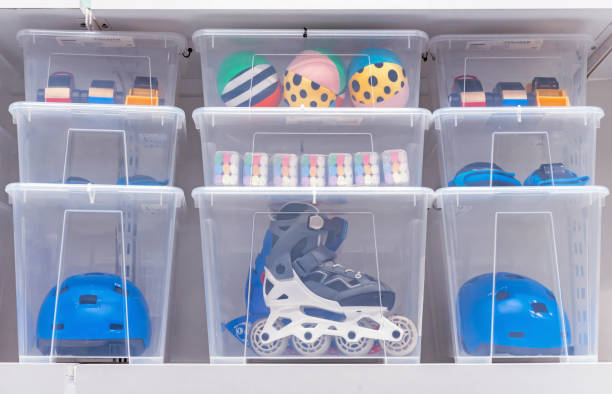
The pros of having plastic boxes is its durability, longevity, visibility, and stackability. Plastic boxes can withstand different weather or climate. They are waterproof, pest-resistant, and can withstand moisture and rough handling. They don’t easily degrade over time, making them ideal for long-term or repeated use. Many plastic boxes are transparent, making it easy to see what’s inside without opening them. Their uniform shapes and sturdiness make them great for stacking in storage units or closets.
The cons of plastic bins are its costs, environmental impact, and space efficiency. Plastic bins are usually more expensive upfront than cardboard. Depending on how heavy duty you are investing for your bins, you are likely to spend a little more than normal. While some plastic containers are recyclable, many end up in landfills and take centuries to decompose. They can be bulky and take up more space than necessary, especially if you’re storing lightweight or flexible items.
Cardboard Boxes: The Eco-Friendly and Budget-Friendly Choice

The pros of cardboard boxes is its cost-efficiency, eco-friendly, lightweight, and customizable. Cardboard boxes are cheap and widely available. Cardboard is biodegradable, recyclable, and made from renewable materials. In general, they are much easier to carry and move around while having it customizable. You are able to label, cut, or resize to fit different items. If environmental impact is a top concern, cardboard wins. It’s compostable, easier to recycle, and usually made from post-consumer material. Plastic, on the other hand, can only be considered eco-friendly if reused many times over a long lifespan.
The cons of cardboard boxes is its durability issues, limited reuse, and less secure. Cardboard is vulnerable to moisture, pests, and general wear and tear. They tend to wear out quickly, especially if handled frequently or stored in damp areas. When moving they can collapse or crush more easily under pressure compared to plastic bins.
We’ve listed out the best places to store you plastic boxes or cardboard boxes below:
- Garage or Basement | Plastic Boxes
- Moving House | Cardboard Boxes
- Storing Seasonal Clothes | Plastic Boxes
- Temporary Storage | Cardboard Boxes
- Archiving Documents | Cardboard Boxes
- Outdoor Storage | Plastic Boxes
Final Verdict
Choose plastic boxes if you’re looking for durability, long-term use, or are storing items in potentially damp or rough environments. Choose cardboard boxes if you want a cost-effective, eco-friendly, and temporary solution that won’t break the bank. Ultimately, the best storage solution depends on your specific needs, budget, and values. In many cases, a combination of both works best!
Check out our latest blog posts:
- Summer Checklist: Keeping Your Home & Pool in Top Shape
- Weekly vs. Monthly Cleaning
- Moving Tips That Can Save You Time
- How to Properly Store in a Locker
To stay updated on all things StorAmerica Management, connect with us on LinkedIn, YouTube, Instagram, Tiktok and Facebook.