
When it comes to storage solutions, understanding the difference between long-term and short-term options is crucial for making an informed decision. Each type serves distinct needs, so it’s essential to evaluate your circumstances and determine which option is best for you. In this blog, we’ll explore the benefits and considerations of both long-term and short-term storage, helping you find the perfect fit for your requirements.
Benefits of Long-Term Storage
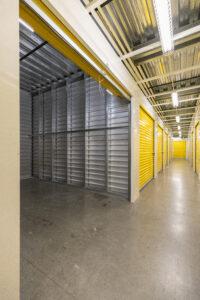
First, let’s consider the advantages of long-term storage. This option is ideal for individuals or businesses needing to store items for an extended period—typically six months or longer. One significant benefit is the convenience of having a dedicated space for belongings you may not need immediately but still want to keep. For example, seasonal items like holiday decorations or off-season clothing can be safely stored away until needed again.
Moreover, long-term storage can provide a sense of peace of mind. Knowing your belongings are secure and out of the way can help declutter your living space, allowing you to enjoy a more organized environment. Additionally, many storage facilities offer climate-controlled units, which protect sensitive items from humidity and temperature fluctuations over time. This is especially beneficial for items like furniture, artwork, or electronics that could be damaged if exposed to the elements.
Considerations for Long-Term Storage
However, there are some considerations to keep in mind with long-term storage. First, the cost can accumulate over time, so it’s essential to budget accordingly. Additionally, you might find that you forget about the items in long-term storage, leading to unnecessary expenses if you’re not careful. Therefore, regular check-ins on your storage unit can help you reassess what you’re keeping and whether it’s still necessary.
Another factor to consider is accessibility. Long-term storage may limit your access to certain items, especially if you have a packed unit. Consequently, it’s crucial to label your boxes clearly and store frequently used items toward the front for easy retrieval.
Moreover, the duration of storage can impact the condition of your belongings. Items stored for extended periods may be subject to wear and tear, so it’s essential to use high-quality packing materials to protect them. Additionally, some items may require special considerations, such as humidity control for sensitive materials like documents or fabrics.
It’s also important to be mindful of the terms of your storage agreement. Some facilities may impose restrictions on what can be stored or charge additional fees for specific services. Lastly, consider the security features of the storage facility. A unit with robust security measures, such as surveillance cameras and gated access, can provide additional peace of mind about the safety of your belongings. Taking these factors into account can help you make informed decisions about long-term storage.
Benefits of Short-Term Storage

On the other hand, short-term storage is a fantastic solution for those needing flexibility. This option is perfect for temporary situations, such as moving, renovations, or even traveling. One of the main advantages is the accessibility it provides; you can easily access your belongings as needed without committing to a long-term contract.
Additionally, short-term storage can be more affordable since you are only paying for the time you need. This can be especially useful for students during summer breaks or individuals in transition. Furthermore, it allows you to declutter your space quickly and efficiently, helping to reduce stress during a busy time.
Moreover, short-term storage can be beneficial when you’re staging a home for sale. By temporarily storing excess furniture and décor, you can create a more inviting and spacious environment for potential buyers. This can make a significant difference in how your home is perceived in the market.
Another advantage is the ability to store items that you may need sporadically, such as camping gear or seasonal sports equipment. Instead of cluttering your living space, you can keep these items accessible in a storage unit. Additionally, many facilities offer month-to-month rental agreements, allowing you to adjust your storage needs based on changing circumstances.
Finally, short-term storage can serve as a practical solution during home renovations, providing a secure space for your belongings while work is being completed. This not only protects your items from potential damage but also creates a safer work environment. Overall, the flexibility and convenience of short-term storage make it an appealing option for various life situations.
Considerations for Short-Term Storage
However, short-term storage may not be the best fit for everyone. One consideration is that it typically doesn’t offer the same level of protection as long-term storage solutions. If you’re storing items for just a few weeks or months, you may not have access to climate-controlled units, which can be a concern for sensitive items.
Moreover, the limited duration means you might find yourself in a rush to pack and unpack, leading to a less organized experience overall. It’s essential to plan ahead and ensure that you can retrieve your belongings when needed.
Conclusion
In summary, choosing between long-term and short-term storage ultimately depends on your individual needs and circumstances. Long-term storage offers security and peace of mind for items you don’t need right away, while short-term storage provides flexibility and accessibility during transitions. Assess your situation, budget, and the items you need to store to make the best decision.
If you find yourself in need of a reliable storage solution, consider StorAmerica Management. They offer a range of options for both long-term and short-term storage, ensuring your belongings are safe and secure. With their support, you can choose the perfect solution to fit your needs and lifestyle.
Understanding the specific features of the storage facility can greatly influence your choice. For example, facilities with climate-controlled units can be essential for protecting delicate items in long-term storage. Additionally, consider the security measures in place, such as surveillance cameras and gated access, which can provide added peace of mind.
Make sure to review rental agreements carefully to avoid any hidden fees or unexpected terms. Many facilities also offer flexible contracts, allowing you to adjust your storage needs as your situation changes. Finally, remember that organization is key; whether you opt for long-term or short-term storage, labeling your boxes and keeping an inventory can save you time and stress.
Ultimately, the right storage solution can significantly enhance your organization and help you navigate life’s transitions more smoothly. With the right choice, you can focus on what truly matters, knowing that your belongings are secure and accessible when you need them.
Check out our latest blog posts:
- Protecting Your Belongings From Summer Heat
- How to Organize Your Home Year Round
- RV Storage 101: Best Practices for Storing your RV During Off-Season
- Storage Solutions for Outdoor Enthusiasts: Gear, Equipment, and Vehicles
To stay updated on all things StorAmerica Management, connect with us on LinkedIn, YouTube, and Instagram.