
Renovating or remodeling your home is an exciting and transformative experience. However, the process often involves moving furniture around, which can be stressful on your floors and carpets. Whether you’re updating your kitchen, installing new flooring, or simply decluttering to prepare for a remodel, protecting your furniture and flooring during storage is crucial. Proper storage practices can prevent unnecessary damage and ensure that your belongings remain in pristine condition. In this article, we’ll share expert tips on how to store your furniture properly to protect your flooring and carpets, both in your home and in a self-storage unit.
1. Start by Cleaning Your Furniture Before Storage

Before you begin storing your furniture, it’s essential to clean each item thoroughly. This is especially important for upholstered furniture, as dirt, oils, and stains can set into fabric over time, leading to permanent damage.
- Vacuum upholstered pieces: For couches, chairs, and other fabric-covered furniture, give them a good vacuuming to remove dust, crumbs, and debris.
- Wipe down hard surfaces: Wooden tables, dressers, and other solid furniture should be cleaned with an appropriate wood cleaner or polish to prevent buildup of dust or grime.
- Dry thoroughly: If any pieces are damp after cleaning, allow them to air dry completely before storing them. Moisture can lead to mold or mildew growth, particularly when furniture is packed into storage.
Once your furniture is clean and dry, you’ll be ready to protect it further during storage.
2. Use Protective Covers for Your Furniture
One of the best ways to protect your furniture from damage during storage is by using protective covers. Moreover, covers help shield your items from dust, dirt, moisture, and scratches.
- Furniture covers: Use durable, breathable furniture covers designed for storage. These can protect both fabric and leather furniture from dust, pet hair, and spills.
- Plastic wrap or stretch film: For wooden or metal furniture, use plastic wrap or stretch film to cover the surfaces and prevent dust buildup. However, be cautious with plastic as it can trap moisture, so ensure the furniture is completely dry before wrapping.
- Blankets or moving pads: Soft, thick blankets or moving pads can be wrapped around furniture to protect it from scratches or dents. In addition, these protect the furniture from friction during the moving and storage process.
Protecting your furniture with the right covers is key to maintaining its condition, whether it’s temporarily stored in your home during a remodel or in a self-storage unit.
3. Place Furniture on Wooden Pallets or Platforms
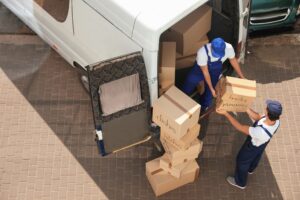
When placing furniture in a storage unit, also make sure to elevate your items off the ground to avoid any potential damage from moisture or dirt. One of the most effective ways to do this is by using wooden pallets or platforms.
- Why wooden pallets? Wood is durable, and when placed under your furniture, it creates a barrier between the floor and your items. This is particularly important in self-storage units, where humidity levels or potential leaks could damage the furniture.
- Ensure air circulation: By elevating your furniture, you allow for better air circulation around each piece. This helps prevent mold and mildew from developing, especially if the storage unit has any moisture issues.
- Protect the floors: When moving heavy furniture, using a pallet also protects your floors and carpets at home, preventing scratches, dents, and scuff marks that can occur when dragging furniture across the floor.
Using wooden pallets or similar platforms ensures your furniture stays safe from moisture, pests, and wear-and-tear during its time in storage.
4. Disassemble Large Furniture When Possible
For larger pieces of furniture, such as beds, tables, or bookshelves, disassembling them can save a lot of space and reduce the risk of damage. However, it’s important to do this carefully to avoid losing small parts or hardware.
- Label screws and bolts: Keep screws, nuts, and bolts in a labeled bag or container, and attach it to the disassembled piece of furniture. This will make reassembly much easier when you’re ready to bring the furniture back into your home.
- Store parts securely: Be sure that any disassembled pieces are placed safely in the storage unit. Moreover, wrap any sharp edges with moving blankets or bubble wrap to prevent scratches or damage to the furniture and other stored items.
Disassembling large furniture not only protects it from damage but also makes it easier to store in a compact space, saving room for other items.
5. Store Items Strategically in Your Storage Unit

Once your furniture is properly cleaned, covered, and elevated, it’s time to organize your storage unit. Strategic placement of items can make a huge difference in protecting both the furniture and your flooring.
- Place heavier items on the bottom: Start by placing large, heavy furniture pieces at the back of the storage unit. This creates a stable base for stacking lighter items on top.
- Avoid overcrowding: Overstuffing your storage unit can lead to pressure on furniture, which may cause warping or other damage over time. Instead, arrange items in a way that allows for airflow and easy access.
- Cover the floor with a tarp or plastic sheet: In addition to placing furniture on pallets, covering the floor of the storage unit with a tarp or plastic sheet can provide an extra layer of protection against moisture or spills that could damage your belongings.
Strategic organization ensures that all of your furniture is safely stored, minimizing the risk of damage while maximizing the available space.
6. Check Your Furniture Periodically
Finally, it’s always a good idea to check on your furniture periodically if it’s stored for a long period of time. This is especially true for self-storage units where temperature and humidity can fluctuate.
- Inspect for moisture or pests: Check your furniture every few weeks for any signs of moisture, mold, or pest infestations. If you notice any issues, take immediate steps to remedy the situation.
- Adjust coverings: Make sure your protective covers are intact and not shifting during the storage period. This will ensure your furniture remains well-protected from dust or other potential damage.
Regular checks give you peace of mind that your furniture is staying in excellent condition during its time in storage.
Conclusion
Properly storing furniture is essential when protecting your floors and carpets during a remodel or renovation. By following these simple tips, including cleaning, using protective covers, placing furniture on wooden pallets, and organizing your storage space, you can ensure that your furniture remains in excellent condition. Moreover, self-storage can offer a convenient and secure space to store your belongings, giving you more room to work while keeping your furniture safe. Whether you’re remodeling a room or simply storing items temporarily, these practices will help protect your investment and keep your home looking its best.
When it comes to storing your furniture and other belongings during a home renovation, StorAmerica Management is the perfect self-storage partner. With a wide variety of unit sizes, climate-controlled options, and top-tier security, StorAmerica ensures that your items are safe, clean, and easily accessible. Whether you’re looking to store a few pieces of furniture or need a larger unit for multiple items, StorAmerica’s flexible rental terms and convenient locations make the process simple and stress-free. Plus, their commitment to customer service means you’ll have the support you need every step of the way. Trust StorAmerica to protect your valuable furniture and belongings while you focus on your home improvement project.
Check out our latest blog posts:
- How to Safely Pack Your Electronics for Storage: Tips on Preparing Electronics for Long-Term Storage
- Moving in with a Roommate? Here’s How to Use Self-Storage for a Smooth Transition
- Space-Saving Hacks for Dorm Rooms (And How Self-Storage Can Help)
- Can You Store an Entire Home in a 10×10 Unite? Here’s How
To stay updated on all things StorAmerica Management, connect with us on LinkedIn, YouTube, and Instagram.