
Studying abroad is an exciting adventure that offers a world of opportunities. From experiencing new cultures to gaining academic knowledge, it’s a time for personal growth. However, before you embark on your journey, there’s one thing that can feel overwhelming: packing. Deciding what to take with you, what to leave behind, and how to store your belongings while you’re away can be tricky. In this guide, we’ll help you make the most of your packing experience and offer tips on what to store and what to bring when studying abroad.
1. What to Take: Essentials You Can’t Leave Behind

When packing for your study abroad experience, it’s crucial to remember that you’re moving to a new country for several months, not permanently. As such, you’ll want to pack items that you will truly need while living abroad. Essential items include clothing appropriate for the weather, toiletries, important documents (passport, visa, insurance), and a few personal items like your laptop or phone. Additionally, make sure you have the academic supplies you’ll need, such as textbooks, notebooks, or even a portable hard drive to store digital files for your studies.
However, keep in mind that you don’t need to pack everything. Most countries offer stores where you can buy everyday essentials, so you can always pick up items like toiletries, household goods, or even clothes once you arrive. Moreover, avoid overpacking—especially if your host country has specific baggage weight limits for flights.
2. What to Leave Behind: Avoid Packing Sentimental Items
While it might be tempting to bring everything from your childhood bedroom, it’s important to be selective about what you leave behind. Sentimental items such as family photos, heavy keepsakes, or collections might take up unnecessary space and increase the weight of your luggage. Remember, you’ll likely be living in a smaller space than you’re used to, so overpacking can lead to clutter and unnecessary stress.
Also, try to avoid packing items that might be difficult to replace or that could pose problems in customs. This includes valuable jewelry, expensive electronics (unless absolutely necessary), or perishable food items. It’s better to leave these at home or store them safely in a self-storage unit.
3. What to Store: Items You Don’t Need Right Now

Some items that you won’t need while you’re abroad—such as seasonal clothes, extra furniture, or personal belongings that you don’t use daily—can be safely stored until your return. Instead of leaving them to pile up at home or clutter your room, consider renting a self-storage unit to keep them secure. You may also want to store important documents, such as old schoolwork, family heirlooms, or financial records that aren’t essential to your study abroad trip.
Moreover, storing your belongings in a storage unit allows you to free up space at home and ensures your items remain safe while you’re away. You won’t need to worry about asking family members or friends to look after them, and you’ll have peace of mind knowing your possessions are protected in a secure, climate-controlled facility.
4. Packing Smart: Maximize Your Luggage Space
Packing for study abroad isn’t just about what you bring—it’s about how you bring it. Maximizing your luggage space will ensure that you can fit everything you need without exceeding weight limits. Start by using packing cubes to organize your clothing and accessories. Also, rolling your clothes instead of folding them can help you save space and minimize wrinkles. Additionally, pack lightweight and versatile clothing that you can mix and match to create different outfits, especially if you’ll be traveling frequently or living in a climate with variable weather.
For fragile items, such as electronics or souvenirs, consider packing them in your carry-on bag to keep them safe. However, remember to check the TSA guidelines for liquid items and other restrictions that may apply to carry-on luggage.
5. How to Store Your Belongings While You’re Abroad
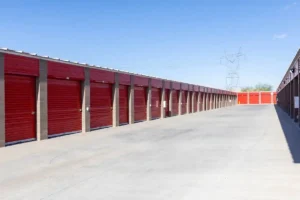
While you’re abroad, you’ll want to keep your home clutter-free and have easy access to any items you might need when you return. Using a self-storage unit for the duration of your trip can be an excellent way to store your possessions safely. In addition, many self-storage facilities offer flexible terms, allowing you to rent a unit for just the duration of your stay abroad.
Moreover, climate-controlled units can help ensure that sensitive items, such as documents, photographs, or electronics, are protected from temperature fluctuations and humidity while you’re away. Some facilities, like StorAmerica, even offer online account management, so you can easily pay for your storage or manage your unit remotely.
Conclusion: Choose StorAmerica for Your Storage Needs
When studying abroad, the last thing you want to worry about is where to store your belongings. By utilizing a self-storage unit, you can ensure that your personal items are safe, secure, and protected while you focus on your studies and enjoy your time abroad. StorAmerica offers a range of flexible storage options, from small lockers to larger units, to suit your needs. Whether you need a short-term storage solution or something longer-term, StorAmerica has you covered with convenient, affordable options and 24/7 access. Contact StorAmerica today to reserve your unit and enjoy peace of mind while you’re abroad, knowing your belongings are in good hands.
Check out our latest blog posts:
- How to Safely Pack Your Electronics for Storage: Tips on Preparing Electronics for Long-Term Storage
- Moving in with a Roommate? Here’s How to Use Self-Storage for a Smooth Transition
- Space-Saving Hacks for Dorm Rooms (And How Self-Storage Can Help)
- Can You Store an Entire Home in a 10×10 Unit? Here’s How
To stay updated on all things StorAmerica Management, connect with us on LinkedIn, YouTube, and Instagram.